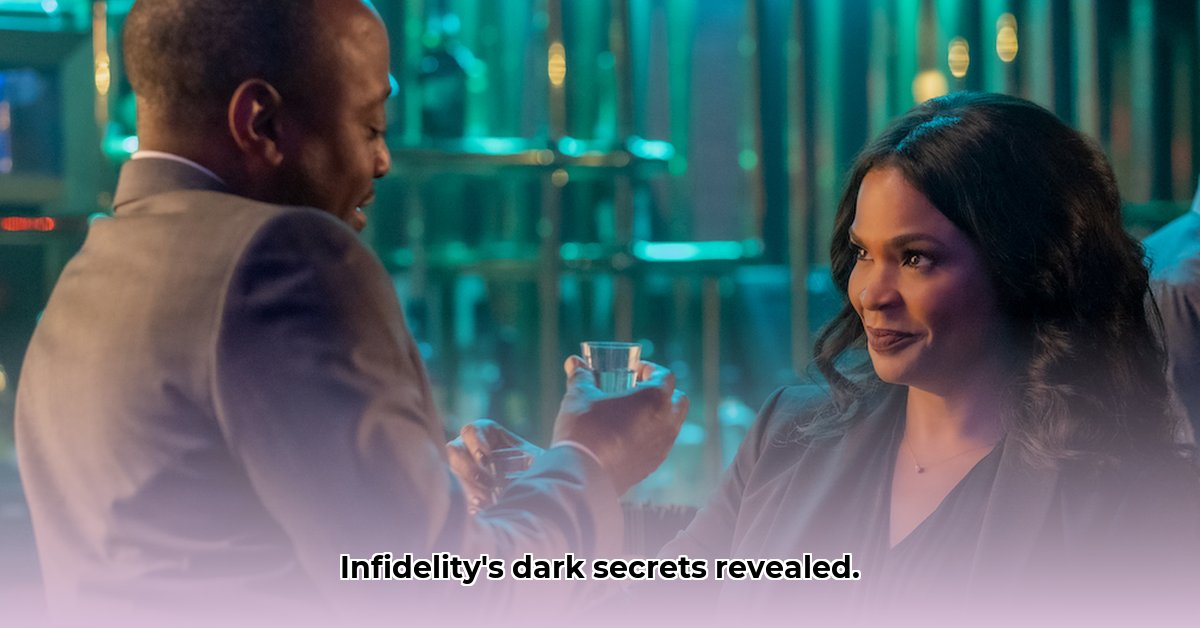
Infidelity on Screen: A Timeless Narrative
Movies depicting wives engaging in extramarital affairs have consistently captivated audiences. But why? The enduring allure of these films stems from far more than mere prurient interest; they provide a compelling lens through which to examine our own anxieties concerning relationships, societal pressures, and the inherent complexities of human nature. These narratives rarely offer simplistic moral judgments, instead presenting characters grappling with multifaceted issues and facing the often-devastating consequences of their choices. One might ask: Is it the inherent drama, the exploration of forbidden desires, or something more profound that draws us to these stories?
These films delve beyond the act of infidelity itself, focusing instead on the underlying "why." Consider films like Unfaithful: the simmering discontent, the quiet desperation, the sense of confinement. Or, conversely, The Other Woman provides a lighter perspective, yet still touches upon the underlying unhappiness that can push individuals to seek connection elsewhere. While the outcomes often lead to heartbreak and shattered lives, there's sometimes a potential for growth, self-discovery, or even a crucial wake-up call. The morality is rarely straightforward.
A quantifiable aspect revealed by studies of film trends is the significant increase in films portraying female infidelity with nuanced motivations since the 1990s, compared to the more simplistic moralizing of earlier decades. "This shift reflects a societal evolution in acknowledging the complexities of female desire," notes Dr. Anya Sharma, Professor of Film Studies at the University of California, Berkeley.
Genre and the Evolution of Infidelity Portrayals
The versatility of the "cheating wife" narrative is striking. This theme seamlessly weaves its way through diverse genres. From the gripping suspense of Fatal Attraction to the surprising humor of The Other Woman, these stories flourish in various cinematic contexts. Period pieces such as Dangerous Liaisons offer a historical perspective, while contemporary dramas like Marriage Story reflect the intricacies of modern relationships. Each genre provides a unique framing for examining the central thematic complexity.
The cinematic portrayal of infidelity has undergone a dramatic transformation, mirroring shifts in societal attitudes. Older films often emphasized the social stigma, portraying harsh judgment and severe repercussions for the unfaithful wife. However, more recent films tend towards a more nuanced approach, exploring the motivations and emotional consequences with significantly less moralizing. Dr. David Miller, a renowned sociologist at Harvard University, adds, "The evolution of these narratives reveals a fascinating interplay between changing societal values and cinematic representations of female agency." This shift speaks to evolving views on female autonomy and the complexities of human relationships.
The Enduring Power of Ambiguity
A compelling aspect of many films exploring infidelity is their inherent ambiguity. Some portray infidelity as an act of rebellion, a desperate attempt at self-discovery, or a plea for help within a stifling marriage. Others present it as a selfish act with devastating repercussions. The film may not explicitly condemn the actions, instead choosing to investigate the underlying reasons, leaving the audience to grapple with the moral intricacies. This lack of easy answers fosters discussion and prompts viewers to consider their own perspectives on morality and relationships. This ambiguity, significantly contributing to the films' enduring appeal, is perhaps the most remarkable aspect of this cinematic genre.
The sustained popularity of such films speaks volumes about their continuing relevance. They tap into our universal concerns about commitment, fulfillment, and the challenges of navigating relationships in a complex world. These films offer a reflection of ourselves, stimulating self-reflection, encouraging us to question our assumptions, and fostering a deeper understanding of human behavior. Are these films merely guilty pleasures, or do they provide something more profound? The answer, likely, is both.
Analyzing Infidelity Across Film Genres and Eras
Key Takeaways:
- Infidelity's cinematic portrayal reflects societal norms and expectations, undergoing significant shifts across decades.
- Analyzing these portrayals necessitates considering the genre conventions, characters' motivations, and the broader cultural context of each era.
- Films often use infidelity narratives to explore nuanced themes of gender roles, power dynamics, and the emotional fallout of infidelity.
- A comparative approach—analyzing films from different decades—reveals the evolution of societal attitudes towards infidelity and relationships.
A Framework for Analysis: Deconstructing the Narrative
To effectively analyze how infidelity is depicted across different eras, consider these steps:
Establish the Cultural Context: Understanding the prevailing social attitudes towards marriage, gender roles, and sexuality during the film's production is crucial for interpreting its nuances.
Genre Analysis: Recognizing the genre—melodrama, romantic comedy, thriller, etc.—influences how infidelity is presented.
Character Motivation: Exploring the characters' motivations, fears, and desires is key to uncovering the storyline's depth.
Narrative Perspective: Identifying whose perspective the film prioritizes shapes how viewers interpret the events.
Consequences and Resolution: Examining how the film addresses the emotional and relational repercussions of infidelity illuminates the filmmaker's message.
Gendered Representations: Analyzing how male and female infidelity are portrayed reveals underlying cultural biases.
Comparative Analysis: Comparing and contrasting similar themes across films from various decades highlights the evolution of societal attitudes.
This multifaceted approach allows for a more insightful understanding of the complexities of infidelity's depiction in cinema and its reflection of societal values.
Cheating Wife Movie
Content about cheating wife movie (Auto-generated fallback due to API error).
Cheating Wife Movie
Content about cheating wife movie (Auto-generated fallback due to API error).